
The Glossary
84 ingredients. filtered by letter, function, or formulation.
showing 84 of 84 ingredients

Zinc Oxide vs Titanium Dioxide: UV Protection & Whitecast | Boldpurity
Zinc oxide and titanium dioxide are both familiar mineral UV filters, but they do not behave exactly the same way. Their particle size, optical properties and formulation can influence UV coverage, whitecast and cosme...
Panthenol vs D-Panthenol: What’s the Difference? | Boldpurity
Panthenol is a familiar skincare ingredient, but the name can hide an important chemistry question: which molecular form are you actually using? This guide breaks down panthenol, D-panthenol and L-panthenol in practic...
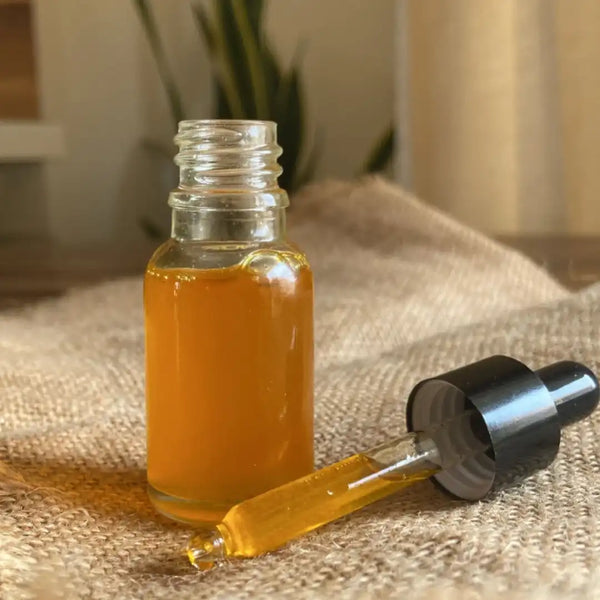
Sea Buckthorn Oil for Skin: Carotenoids, Fatty Acids & Antioxidant Science | Boldpurity
Sea buckthorn oil is more than a brightly coloured botanical oil. Its carotenoids, fatty acids and other lipid-soluble compounds make it an interesting ingredient for modern skincare—but its sensitivity to oxygen, lig...
Epidermis: Skin Layers, Cells & Barrier Function| Boldpurity
The epidermis is a continuously renewing cellular barrier made up of specialized cells including keratinocytes, melanocytes, Langerhans cells, and Merkel cells. Explore epidermal layers, cellular differentiation, the ...
Keratinocyte Function: Structure, Differentiation & Skin Barrier | Boldpurity
Keratinocytes are the predominant cells of the epidermis and play a central role in skin structure, differentiation, and barrier formation. Learn how keratinocytes mature into corneocytes, respond to environmental str...
Retinol and Cellular Turnover: Benefits, Safety & Skincare Guide | Boldpurity
Retinol is one of the most researched cosmetic ingredients. Yet questions remain: How does it work? How long does it take? What's the difference from prescription retinoids? This comprehensive guide covers cellular tu...
Vitamin C in Skincare — What It Does & How to Use It Right
Vitamin C is one of the most researched ingredients in skincare — but which form is right for you? This guide covers direct vs derivatives, how to layer, what NOT to combine it with, and where it fits in your routine.
Carrageenan — The Gel-Forming Red Algae Extract
Carrageenan (red algae extract) is a marine-derived ingredient best known as a natural gel-former and thickener — it gives creams, gels, and serums their gel-like texture. It's also a humectant that supports the appea...
Arginine in Skincare — The Gentle Amino Acid
Arginine is an amino acid — a natural building block of proteins — used in skincare as a gentle conditioning and moisturising ingredient. It helps skin hold water, supports the appearance of a healthy barrier, and do...
Pentylene Glycol — Skincare's Quiet Multi-Tasker
Pentylene glycol is a gentle, plant-derived multi-tasking ingredient found across skincare. It's a humectant (hydration), an emollient (softening), a solvent (helping ingredients blend), and it helps keep formulas fre...
DHA (Dihydroxyacetone) — The Self-Tanning Sugar
DHA (dihydroxyacetone) is the classic self-tanning agent — the main active in most sunless tanners. It creates a temporary surface colour by reacting with the outer skin layer, develops in hours, fades in about a week...
Acetyl Tetrapeptide-2 — A Peptide, Kept Honest
Acetyl Tetrapeptide-2 is a synthetic peptide used as a conditioning ingredient in some cosmetic formulas. You'll see dramatic peptide marketing around firmness, pigmentation, even hair — but here's a plain, honest, ed...
BEMT (Tinosorb S) — Broad-Spectrum UV Filter
BEMT (Bemotrizinol, or Tinosorb S) is a next-generation broad-spectrum sunscreen filter — one of the few organic filters covering both UVA and UVB on its own. It's exceptionally photostable, helps stabilise other filt...

Calcium Carbonate in Skincare — The Quiet Mineral
Calcium carbonate is a gentle, everyday mineral — the same substance as chalk and limestone — that quietly multi-tasks in your skincare and makeup. It absorbs excess oil for a less shiny look, adds whiteness and opaci...

Colloidal Sulfur — The Traditional Purifying Mineral
Colloidal sulfur is a finely-dispersed, mineral form of sulfur used in skincare for oily and blemish-prone skin. It absorbs excess oil, offers mild exfoliation, and supports the appearance of a clearer complexion — ...

Acetyl Tetrapeptide-3 — A Hair & Lash Peptide
Acetyl Tetrapeptide-3 is a synthetic peptide found in some hair, lash, and brow cosmetic products, often in conditioning or "fortifying" formulas. Cosmetically it's associated with the appearance of fuller-looking las...

Zinc Gluconate — The Gentle Oil-Balancing Zinc
Zinc gluconate is a gentle, water-soluble form of zinc used mainly for combination, oily, and blemish-prone skin. It's astringent (refining the look of pores and texture), associated with the appearance of oil balance...

Erythrulose — The Gentle Self-Tanning Sugar
Erythrulose is a natural sugar used as a self-tanning agent, usually paired with DHA for a gentler, more even, less-orange result. It creates a temporary surface colour — not a change to your real skin tone — and off...

Biotin in Skincare — Hype vs Reality (Vitamin B7)
Biotin (vitamin B7) is a gentle, water-soluble vitamin used in skincare as a conditioning, supporting ingredient with antioxidant support. You've heard it linked to hair and nails — but that fame is mostly about dieta...

Retinoids Explained — Types, Strengths & How to Start
Retinoids are vitamin A derivatives — one of the most well-studied ingredient families in skincare. They come in a spectrum from gentle (retinyl palmitate) to prescription-strength (tretinoin). Here's how to choose, h...

Magnesium PCA — The NMF-Family Radiance Hydrator
Magnesium PCA is a gentle humectant from the same family as the skin's own Natural Moisturizing Factor (NMF). It helps skin hold water and supports the appearance of fresh, radiant, revived-looking skin — making it a...

Ensulizole — The Lightweight UVB Sunscreen Filter
Ensulizole (Phenylbenzimidazole Sulfonic Acid) is a lightweight, water-soluble UVB sunscreen filter — the kind that makes daily facial SPF feel elegant rather than greasy. It absorbs UVB rays to help protect against s...

Pyrrolidone carboxylic acid (PCA) in Skincare — Your Skin's Own Hydrator
PCA (pyrrolidone carboxylic acid) is a gentle, effective humectant that's already part of your skin's own hydration system — the Natural Moisturising Factor (NMF). Topical PCA tops up something your skin uses to hold ...

Vitamin B12 in Skincare — The Gentle Soothing Vitamin
Vitamin B12 (cyanocobalamin) is a gentle, soothing skincare ingredient, best known for calming the appearance of irritated, sensitive skin and offering antioxidant support. It also has a natural pink hue — the reason ...

Trehalose in Skincare — The Gentle "Resurrection Sugar"
Trehalose is a gentle, plant-derived sugar that works as a humectant — drawing and holding water in the skin. Nicknamed the "resurrection sugar" for helping organisms survive extreme dryness in nature, it's well-toler...

Piroctone Olamine — The Anti-Dandruff Ingredient
Piroctone olamine (octopirox) is a well-established anti-dandruff ingredient found in many shampoos and scalp products. It helps with the appearance of a flaky, oily scalp and is often chosen as a gentler alternative...

Vitamin F in Skincare — The Barrier-Loving Lipid
"Vitamin F" isn't actually a vitamin — it's a nickname for essential fatty acids (mainly linoleic and linolenic acid), often from safflower oil. They're the same lipids your skin's barrier is partly made of, which mak...

Enoxolone — Licorice's Gentle Soothing Ingredient
Enoxolone (glycyrrhetinic acid) is a gentle compound from licorice root, best known in skincare as a soothing ingredient for sensitive and reactive skin. It helps calm the appearance of redness and irritation and offe...

Allantoin — Skincare's Gentle Soothing Ingredient
Allantoin is one of skincare's gentlest, most reliable soothing ingredients. It calms the appearance of irritated, sensitive skin, supports hydration, and gently smooths rough, flaky patches — all while being exceptio...

Sensitive Skin Guide — Soothe & Build Resilience
Sensitive skin usually comes down to a compromised barrier — the layer that keeps moisture in and irritants out. The fix isn't more products, it's fewer, gentler ones. Support the barrier, avoid over-exfoliating and h...

Vitamin B6 in Skincare — The Gentle Balancing Vitamin
Vitamin B6 (pyridoxine HCl) is a gentle, water-soluble vitamin used in skincare as a conditioning, supporting ingredient. It's most associated with the appearance of oil balance and radiance, making it popular for com...

Copper Sulfate in Skincare — What It Actually Is
Copper sulfate is a water-soluble copper compound — the familiar bright-blue crystals. Copper is a trace element with a long history, and various copper compounds appear in some cosmetic formulas, often in soothing "c...

Inositol in Skincare — The Gentle Carob Hydrator
Inositol is a gentle, plant-derived sugar — often from the carob tree — used in skincare as a humectant and moisturiser. Sometimes called "vitamin-like" (or vitamin B7), it helps skin attract and hold water and is ver...

Inulin — The Prebiotic Hydrator From Chicory
Inulin is a plant-derived prebiotic sugar (a natural fibre from chicory root) used in skincare as a gentle humectant. It helps skin hold water via a light surface film, supporting the appearance of hydrated skin, and ...

Argireline Explained — The Needle-Free Peptide for Lines
Argireline (acetyl hexapeptide-8) is a peptide often described as a needle-free approach to the appearance of expression lines — the ones from frowning, squinting, and smiling. Gentle, topical, and gradual, it targets...

Sulfur in Skincare — How It Helps Blemish-Prone Skin
Sulfur is one of the oldest ingredients in skincare — used for centuries to help with the appearance of blemishes. It absorbs excess oil, decongests the look of pores, and calms visible redness, gently enough for most...

Cannabidiol(CBD) in Skincare — What It Is (A Plain Explainer)
CBD (cannabidiol) is a non-psychoactive plant compound discussed internationally in skincare for soothing and antioxidant qualities. But it's also one of the most legally complex ingredients around — especially in In...

Tartaric Acid — The Gentle AHA You Haven't Heard Of
Tartaric acid is a gentle, plant-derived AHA from grapes and tamarind. It exfoliates to smooth and brighten the look of skin, with bonus antioxidant and mild hydrating qualities. Gentle for an AHA, but still an acid —...

Zinc Sulfate in Skincare — Oil Balance & Soothing
Zinc sulfate is a mineral-derived ingredient valued as a gentle astringent and oil-balancer, especially for oily and blemish-prone skin. It may help manage the appearance of excess oil and refine the look of pores, w...

Biosaccharide Gum-4 — The Gentle "Second Skin" Ingredient
Biosaccharide Gum-4 is a gentle, plant-derived sugar polymer that forms a light, breathable "second skin" film on the surface. It locks in moisture, feels soft and comfortable, and may help shield skin from everyday p...

Coenzyme Q10 — The Skin-Familiar Antioxidant
Coenzyme Q10 (ubiquinone or CoQ10) is a well-loved antioxidant naturally present in skin — and declining with age. In skincare it offers antioxidant support against everyday environmental stress, plus smoothing, mois...

Gluconolactone (PHA) — The Gentle Skin Acid
Gluconolactone is a PHA (polyhydroxy acid) — the gentlest family of exfoliating acids. It smooths for the appearance of fresher, more radiant skin while also acting as a humectant, and its larger molecule makes it f...

Ethylhexyl Triazone — The Photostable UVB Filter
Ethylhexyl Triazone (Uvinul T 150) is a highly effective, photostable UVB sunscreen filter that even helps stabilise other UV filters. But it filters UVB only — so it needs a UVA partner for broad-spectrum protection ...

DHHB — The Photostable UVA Sunscreen Filter
DHHB (Diethylamino Hydroxybenzoyl Hexyl Benzoate, or Uvinul A Plus) is a highly photostable UVA sunscreen filter, especially good at the long UVA rays most linked to skin ageing. It's a stable modern alternative to ...

Zinc Oxide — The Gentle Mineral Multi-Tasker
Zinc oxide is a versatile white mineral best known as a broad-spectrum mineral sunscreen filter — protecting against both UVA and UVB. It's also mattifying, absorbent, gentle, and soothing, making it a favourite for ...

Resveratrol for Skin: Antioxidant Benefits, How It Works & Vitamin C Pairing
Resveratrol is a plant-derived polyphenol antioxidant used for nighttime skin defence. Learn why it's light-sensitive, how it pairs with vitamin C for 24-hour protection, and how to use it in your evening routine.

Beta-Glucan Benefits for Skin: Hydration, Barrier Support & Hyaluronic Acid Comparsion
Beta-glucan is the soothing hydrator that calms skin while holding water at the surface — how it works, how it compares to hyaluronic acid, and how to use it.

Astaxanthin for Skin: Benefits, How It Works & Scientific Evidence
Astaxanthin is the carotenoid antioxidant behind salmon's pink hue — and its real edge is structural: it works across the entire cell membrane, where most antioxidants reach only one side. How it works, what the rese...

Salicylic Acid (BHA): Benefits for Blemish-Prone Skin, Safety & How to Use
Salicylic acid is an oil-soluble BHA (beta-hydroxy acid) that penetrates into pores and sebaceous glands. Ideal for congestion-prone and blemish-prone skin types. Learn how it works, concentration and pH guidance, why...

Retinol for Skin: Benefits, How It Works & How to Use It — A Science-Led Guide
Retinol upregulates collagen and reverses photodamage. Complete science guide—mechanisms, bioavailability, timeline, retinization, safety, and how to use effectively.
