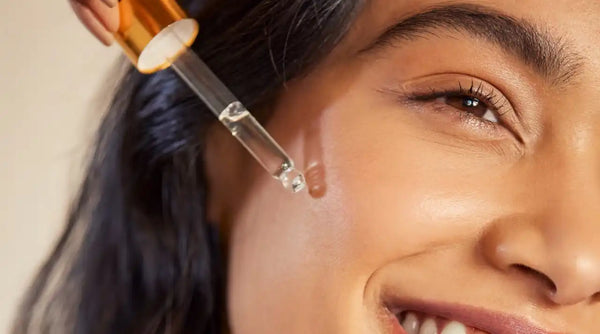
Vitamin B12 in Skincare — The Gentle Soothing Vitamin
Science Reviewed · Boldpurity Science Team
Last reviewed: July 2026
Quick Answer
Vitamin B12 (cyanocobalamin) is a gentle, water-soluble vitamin used in skincare mainly as a soothing, skin-maintenance ingredient. It's valued for calming the appearance of irritated, sensitive skin and offering antioxidant support. It also has a natural pink hue, so it's sometimes used to lend a subtle radiance to formulas. It's gentle, well-tolerated by most, and used at very low concentrations (around 0.001–0.1%). A quiet supporting player rather than a headline active.
Key Facts About Vitamin B12
- Vitamin B12 (cyanocobalamin) is a water-soluble vitamin used in skincare.
- It's mainly valued as a soothing, skin-maintenance ingredient.
- It may help calm the appearance of irritated, sensitive skin.
- It offers antioxidant support, helping limit oxidative stress.
- It has a natural pink hue, sometimes used to add subtle radiance.
- Used at very low concentrations (around 0.001–0.1%).
- Gentle and generally well-tolerated — suitable for most skin types.
Key Takeaways
- B12 is a gentle, soothing, antioxidant skin-maintenance ingredient.
- Especially associated with calming the appearance of irritated skin.
- Its natural pink colour can lend a subtle radiant look to formulas.
- Used in tiny amounts — a supporting player, not a hero active.
- Gentle enough for most skin types, including sensitive.
- Patch test first — rare redness reactions have been reported.
What Is Vitamin B12 in Skincare?
Vitamin B12 — known chemically as cyanocobalamin — is a water-soluble vitamin essential for many processes in the body. In skincare, it's used topically as a gentle skin-maintenance and soothing agent. It's most associated with calming the appearance of irritated or sensitive skin and offering antioxidant support. Interestingly, B12 has a natural deep-pink colour (it contains a cobalt atom), which is sometimes used to give products a subtle radiant tint. It's typically used at very low concentrations.
Most people know vitamin B12 as something in their diet or supplements — important for energy, red blood cells, and nerve function. But it also has a quiet, gentle role in skincare, where it's valued mostly for soothing and supporting the skin.
It's not a dramatic, transformative active, and that's exactly the point — it's a calming, supportive ingredient. Here's what it does and who it suits.
What B12 Does for Skin
Soothes the Look of Irritation
B12's best-known skincare quality is its soothing nature. It may help calm the appearance of redness and irritation, which is why it's often found in gentle, comforting formulas for sensitive skin.
Antioxidant Support
B12 can help neutralise free radicals, offering antioxidant support that may help limit the oxidative stress associated with the appearance of premature ageing.
Skin-Maintenance & Comfort
As a skin-maintenance agent, B12 supports overall skin comfort — a gentle, everyday supporting role rather than a targeted treatment.
A Note on Claims
Vitamin B12 is being studied for a variety of skin qualities, and research is ongoing. As a cosmetic ingredient, its benefits relate to soothing, antioxidant support, and the appearance of the skin — not to treating wounds or any medical condition. It's a gentle supporting ingredient, not a cure-all.
The Pink Hue
Why Some Serums Are Pink
Vitamin B12 has a naturally deep-pink colour — thanks to the cobalt atom at the centre of its structure. Because of this, it's sometimes used as a natural colourant, giving products a pretty pink tint and lending the skin a subtle radiant look on application. So if you've ever wondered why a certain serum is pink, B12 might be the reason.
Who It's For
Especially Suited To:
- Irritated or reactive skin — B12's soothing quality is its signature
- Sensitive skin — gentle and generally well-tolerated
- All skin types — as a mild supporting ingredient, it fits most routines
- Those wanting antioxidant support — a gentle addition to a protective routine
How to Use It
Vitamin B12 almost always appears as one supporting ingredient within a formula — a soothing serum, after-sun product, moisturiser, or toner — rather than as a standalone product. To use B12-containing products well:
- Apply after cleansing — in the Prep or Treat step, depending on the product
- Layer thin-to-thick — lighter B12 serums before heavier creams
- Pair with other gentle ingredients — B12 works well in soothing, hydrating routines
- Seal with moisturiser — to lock in comfort and hydration
- Use SPF in the AM — sun protection supports any antioxidant routine
- Patch test first — rare redness reactions have been reported
A Note on Products
Boldpurity does not currently feature vitamin B12 as a hero ingredient in a dedicated product; any mention here is educational and generic. For soothing, barrier-supporting care, see our sensitive skin guide. For hydration in your Treat step, SkinReset™ offers PDRN-based hydration support.
Safety & Precautions
Generally Well-Tolerated
Topical vitamin B12 is considered a safe, gentle ingredient, suitable for most skin types. It's used at very low concentrations, which contributes to its gentle profile.
Rare Reactions
Although uncommon, some people have reported redness reactions to topical B12. As with any ingredient, no one is completely immune to a reaction — so always patch test a new product on a small area first.
Pregnancy & Breastfeeding
Topical B12 is generally considered safe, including during pregnancy and breastfeeding. That said, it's always sensible to check with your doctor about your specific skincare routine during these times.
Your Questions, Answered
What does vitamin B12 do in skincare?
It's mainly a soothing, skin-maintenance ingredient. It may help calm the appearance of irritated, sensitive skin and offers antioxidant support. It also has a natural pink hue sometimes used to add subtle radiance.
Is topical vitamin B12 the same as taking a supplement?
No. Topical (applied to skin) and oral (supplement) B12 serve different purposes. This article is about cosmetic topical use for the skin's appearance — not about dietary supplementation, which is a separate matter for your doctor.
Why are some serums pink?
Vitamin B12 has a naturally deep-pink colour due to its cobalt atom. It's sometimes used as a natural colourant, which is why some serums appear pink and can lend a subtle radiant look on application.
Is B12 good for sensitive skin?
Generally yes — it's known for its soothing, gentle nature, making it a good fit for sensitive and irritated skin. However, rare redness reactions have been reported, so patch test first.
Can I use B12 with other actives?
Generally yes — B12 is a gentle supporting ingredient that fits into most routines. Follow the specific product's guidance, layer thin-to-thick, and introduce new products one at a time to monitor how your skin responds.
Is B12 safe during pregnancy?
Topical B12 is generally considered safe, including during pregnancy and breastfeeding. As always, it's sensible to check with your doctor about your specific routine during these times.
A Gentle, Soothing Supporting Player
Vitamin B12 won't headline your routine — but it's a lovely, gentle supporting ingredient, especially for skin that's prone to irritation. Soothing, antioxidant-supporting, and even responsible for that pretty pink tint in some serums, it's a quiet example of thoughtful, gentle formulation. If your skin appreciates calm, comforting ingredients, B12 is a friendly one to have on the list.
References
- India Cosmetics Rules, 2020 — CDSCO
- ASCI Code for Self-Regulation in Advertising, 2021
- Brescoll J, Daveluy S. "A review of vitamin B12 in dermatology." Am J Clin Dermatol. 2015;16(1):27–33.
Disclaimer
This article is for informational purposes only and is not medical advice. Boldpurity does not currently feature vitamin B12 as a hero ingredient in a dedicated product; any mention is educational and generic. All cosmetic claims refer to the appearance of the skin. The topical cosmetic benefits described do not treat any medical condition and are separate from dietary B12. If pregnant or breastfeeding, consult your doctor. In line with ASCI Code 2021 and India Cosmetics Rules, 2020. Results may vary. Patch test before use.