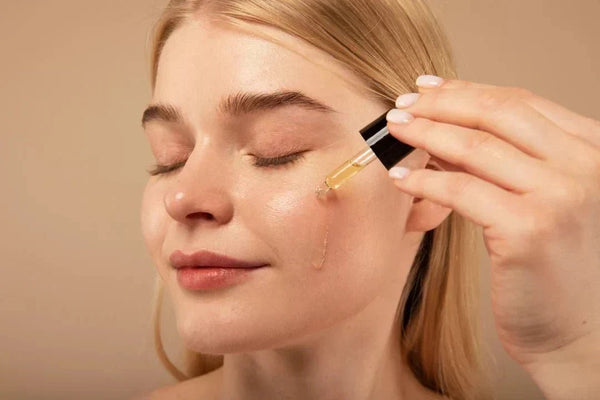
Betaine (Anhydrous) for Skin: The Osmoprotectant Humectant Your Skin Actively Seeks
Effects described are based on cosmetic use and published research. Results may vary depending on formulation, concentration, and individual skin type.
Betaine for skin is one of the most scientifically interesting humectants in cosmetic science — not just because it attracts water, but because your skin cells actively seek it out under dehydration stress. If you are searching for what betaine anhydrous does for skin, how betaine vs glycerin compares, or whether betaine is suitable for sensitive skin — this guide covers the complete science and practical use.
What does betaine do for skin? Betaine anhydrous for skin is a multi-functional humectant and osmoprotectant that draws water into the skin, regulates cellular hydration balance, and protects skin cells from dehydration stress. As a betaine osmoprotectant, it actively protects skin cells from dehydration stress. What makes it distinctive is that skin doesn’t just passively receive it — under osmotic stress, keratinocytes actively synthesise dedicated transport proteins to seek betaine out.
Betaine anhydrous (INCI: Betaine) is a sugar beet-derived betaine anhydrous osmoprotectant and humectant — functioning simultaneously as an osmolyte, hydrating agent, and anti-irritant. It draws water into the stratum corneum, regulates cellular water balance under dehydration stress, and protects skin cell proteins from osmotic denaturation — all while delivering a non-sticky, silky skin feel distinct from glycerin.
- Betaine anhydrous benefits for skincare span humectancy, osmoprotection, tight junction support, and anti-irritant activity — four functions from a single molecule.
- Keratinocytes under osmotic stress actively synthesise betaine-specific transport proteins to draw it into cells — making it one of the few cosmetic ingredients that skin cells draw in via dedicated transport proteins rather than simply receive.
- It can partially or fully replace glycerine for hydration in formulations without losing moisturising efficacy — and adds osmoprotective benefits glycerin cannot provide.
- Research notes betaine is less irritating than water in comparable conditions (Curology, 2023; IFF technical data) — an effective buffer for formulas containing surfactants or potent actives.
- Non-sticky, silky sensory profile — unlike glycerin at higher concentrations, betaine does not leave a tacky residue and does not immobilise water.
- What is betaine anhydrous — and is it the same as cocamidopropyl betaine?
- How does betaine work? Four mechanisms explained
- Betaine skincare benefits
- Betaine vs glycerin — key differences
- Is betaine suitable for oily and acne-prone skin?
- How to use betaine correctly
- What to combine betaine with
- Where does betaine come from?
- Frequently asked questions
Betaine for skin is one of those ingredients that rewards understanding. At first glance it looks like another humectant on an ingredients list — unremarkable, somewhere between glycerin and water. But the science behind betaine anhydrous skincare benefits is considerably more interesting than that.
Your skin cells do not just passively absorb betaine when it is applied. When exposed to osmotic stress — dehydration, heat, UV exposure, environmental dryness — keratinocytes actively synthesise specific transport proteins on their membranes to pull betaine in. That level of cellular specificity is rare in cosmetic humectants, and it is the starting point for understanding what betaine does that other humectants cannot.
What Is Betaine Anhydrous — And Is It the Same as Cocamidopropyl Betaine?

Betaine — INCI name Betaine, CAS 107-43-7 — is a naturally occurring amino acid derivative with the chemical name N,N,N-trimethylglycine (trimethylglycine, TMG). As a betaine anhydrous osmoprotectant and humectant, it is found naturally in sugar beet, wheat bran, quinoa, spinach, and in the human body as a metabolite. The “anhydrous” designation refers to the dry, water-free crystalline powder form used in cosmetic formulations.
Betaine (INCI: Betaine) and Cocamidopropyl Betaine are completely different molecules with completely different functions. The only thing they share is a name.
Betaine is a sugar beet-derived humectant and osmoprotectant — for hydration and cell protection. Cocamidopropyl Betaine is a coconut oil-derived surfactant — for cleansing and lathering. When reading ingredient labels, always verify the full INCI name. Betaine alone means the hydrating molecule. Cocamidopropyl Betaine means the surfactant.
This molecule is endogenous — naturally present in the human body and in skin, where it plays a central role in cellular osmotic regulation. Keratinocytes use betaine as a key organic osmolyte: when skin faces osmotic stress, these cells upregulate betaine transporter proteins on their membranes to actively increase their intracellular betaine concentration. This is the biological basis for its unique effectiveness as a cosmetic humectant.
It is not a passive moisturiser. It is a molecule that skin cells draw in via dedicated transport proteins when under osmotic stress. That biological specificity is what distinguishes betaine for skin from most other humectants — and why it is particularly valuable in formulas designed for dehydrated, stressed, or sensitised skin.
How Does Betaine Work in Skincare? Four Mechanisms Explained
How does betaine work in skincare? The answer involves four interconnected mechanisms operating simultaneously.
Mechanism 1 — Humectant hydration

As a betaine humectant skincare ingredient, it attracts and binds water molecules through hygroscopic action, drawing moisture from the environment and from deeper skin layers into the stratum corneum. Crucially, it attracts water without immobilising it — unlike glycerin at higher concentrations, this delivers lasting hydration without a residual tacky feel. This is what gives it a superior sensory profile as a humectant.
Mechanism 2 — Osmolyte activity (the distinctive mechanism)
Betaine is an organic osmolyte that regulates water balance within cells. Under hyperosmotic conditions — when the external environment is drier or saltier than the cell interior — keratinocytes synthesise specific betaine transporter proteins on their membranes to actively draw betaine in, helping maintain cellular water balance. Topical betaine anhydrous provides the supply these transporters are actively seeking. No other common cosmetic humectant triggers this active cellular uptake mechanism.
Mechanism 3 — Tight junction integrity
Betaine has been shown to help strengthen tight junctions — the protein structures between skin cells that regulate barrier permeability. Stronger tight junctions mean better barrier cohesion and a reduced rate of transepidermal water loss (TEWL). This is a structural mechanism distinct from surface humectancy: betaine skin barrier support operates within the barrier architecture itself.
Mechanism 4 — Osmoprotection of skin proteins
As an osmoprotectant, it protects proteins from denaturation under osmotic stress by attracting water molecules away from protein surfaces — maintaining the hydration shell that keeps them structurally functional. In skin cells this protects the enzymes and structural proteins that maintain barrier integrity and normal cell renewal. This protective mechanism is what makes betaine particularly valuable for skin facing daily environmental stress.
Betaine Anhydrous Skincare Benefits
Lasting, non-sticky hydration
● Strong EvidenceBetaine skin hydration is well-established through both humectant action and osmolyte activity. It draws water into the stratum corneum and helps maintain it within skin cells even under environmental challenge. The result is more durable hydration than surface-only humectants, delivered with a silky non-tacky skin feel that glycerin at equivalent concentrations cannot match.
Barrier function and TEWL reduction
● Strong EvidenceBy strengthening tight junction integrity and maintaining cellular hydration, betaine helps reduce transepidermal water loss through the skin barrier. This structural support — working alongside surface humectancy — gives betaine a more comprehensive water-retention profile than humectants that only attract water at the surface.
Anti-irritant activity
● Strong EvidenceBetaine for sensitive skin is supported by research confirming it is less irritating than water itself and actively reduces irritation caused by surfactants. One study confirmed that adding betaine to detergent formulations significantly reduced skin irritation in participants. This anti-irritant mechanism — rooted in its osmoprotective and cellular stabilisation activity — makes it valuable in any formula that includes potentially irritating actives.
Skin comfort support under environmental stress
● Strong EvidenceThe osmoprotective mechanism protects skin proteins from osmotic stress under dehydration and osmotic stress. Betaine for dry and dehydrated skin provides protection at the skin barrier level that simple humectants do not — maintaining the function of structural proteins and enzymes that keep the barrier renewal cycle running even in challenging environmental conditions.
Improved formula sensory profile
● Well-Established (Formulation Science)Betaine imparts a silky, smooth application feel and improves the spreadability of formulations. It is noted for not having a residual sticky effect — a significant practical advantage over glycerin at higher concentrations. This sensory benefit directly affects how consistently products are used, which matters for cumulative efficacy.
Betaine vs Glycerin — Key Differences
Betaine vs glycerin is the most useful comparison for understanding betaine’s unique contribution. Both are humectants — but betaine vs glycerin which is better depends on what you need: each adds something the other cannot.
| Property | Betaine (Anhydrous) | Glycerin |
|---|---|---|
| Type | Humectant + Osmolyte + Osmoprotectant | Humectant + Lipid cohesion support |
| Cellular osmotic regulation | Yes — keratinocytes actively synthesise transport proteins for it | No osmolyte activity |
| Protein osmoprotection | Yes — protects proteins from denaturation | No |
| Tight junction support | Yes | Not established |
| Anti-irritant? | Yes — less irritating than water | Neutral |
| Sensory at higher concentrations | Silky, non-sticky at all levels | Can become sticky |
| Lipid cohesion enhancement | No | Yes — prevents stratum corneum lipid phase transition |
| AQP3 / desmosomal support | Not established | Yes — upregulates aquaporin-3 |
| Interchangeable? | Betaine can replace glycerin in formulations without losing efficacy — using both provides complementary benefits neither provides alone | |
The osmoprotective and cellular regulation layer comes from betaine. Glycerin brings the lipid cohesion and aquaporin support. Together they address skin hydration from cellular to structural level — complementary rather than competing.
This is why Boldpurity formulations use both betaine paired with glycerine for comprehensive hydration rather than choosing one over the other.
Is Betaine Suitable for Oily and Acne-Prone Skin?

Yes — betaine is suitable for all skin types including oily, combination, and acne-prone skin. It is water-soluble, non-comedogenic, and its silky non-sticky texture integrates naturally into lightweight formulas that oily skin tolerates without congestion.
For acne-prone skin specifically, betaine’s anti-irritant properties buffer the irritation caused by acne actives like salicylic acid, benzoyl peroxide, and retinoids — supporting skin comfort throughout the adaptation period without compromising those ingredients’ efficacy.
| Skin Type | Suitability | Primary Benefit |
|---|---|---|
| Dry / very dry | Excellent | Cellular osmolyte hydration + tight junction support for durable moisture retention |
| Normal / combination | Excellent | Lightweight, non-sticky hydration; silky feel; compatible with all routine types |
| Oily / acne-prone | Excellent | Non-comedogenic; anti-irritant buffers acne actives; lightweight without heaviness |
| Sensitive / reactive | Excellent | Less irritating than water; actively anti-irritant; osmoprotective under environmental stress |
| Mature skin | Excellent | Osmoprotection of structural proteins; cellular hydration support as sebum declines with age |
How to Use Betaine Correctly
Harsh surfactants wash away endogenous betaine from the stratum corneum as part of the natural moisturising factors they strip. A gentle pH-balanced cleanser minimises this loss so topical betaine is replenishing rather than simply replacing what was removed.
Apply betaine-containing products to slightly damp skin. As a humectant it draws moisture from its surroundings — damp skin provides an immediate water source to bind and distribute through the stratum corneum.
Apply betaine serums and toners before oil-based emollients like squalane for barrier sealing. The humectant attracts moisture; the emollient seals it. This sequencing maximises the hydration benefit of both ingredients.
Betaine is suitable for daily use morning and evening without restriction. It does not increase photosensitivity. Morning use provides anti-irritant protection and cellular hydration throughout the day. Evening use supports osmotic balance during overnight renewal.
Betaine provides no UV protection. UV exposure is one of the primary triggers of osmotic stress in keratinocytes — the same stress betaine helps protect against. Daily SPF and betaine are complementary strategies: SPF reduces the UV trigger; betaine helps cells manage the stress when it occurs.
Betaine’s anti-irritant property is directly useful alongside acids, retinoids, and brightening actives. It buffers their potential irritation at the cellular level — not by reducing efficacy, but by reducing the skin’s inflammatory and osmotic stress response. It pairs particularly well with allantoin for soothing and panthenol for barrier support in formulas designed for sensitive or active-ingredient-using skin.
What to Combine Betaine With
Strongest combinations
- Glycerine for hydration — betaine adds osmolyte and osmoprotective depth; glycerine adds lipid cohesion and AQP3 support; together they cover cellular to structural hydration comprehensively
- Panthenol for barrier support — panthenol supports barrier lipid synthesis; it strengthens tight junctions and provides cellular osmotic balance; layered barrier protection from two distinct mechanisms
- Hyaluronic acid — HA attracts water at the surface; betaine maintains cellular osmotic balance; complementary humectant depth
- Squalane for barrier function — betaine draws water in as the humectant layer; squalane seals it in as the emollient layer; the complete hydration stack
- Allantoin for soothing — allantoin provides anti-inflammatory pathway modulation; betaine provides osmoprotective cellular stability; layered calming for sensitive or stressed skin
- Active ingredients (acids, retinoids, brighteners) — it helps buffer their irritation potential at the skin surface and barrier level; apply in the same formula or as a preceding hydration step
Sequencing

It is water-soluble. Always apply betaine-containing products before oil-based emollients. Within water-based routines, it combines freely with all humectants, soothing agents, and actives without compatibility concerns.
Where Does Betaine Come From?
Betaine trimethylglycine — as it is scientifically named — was first identified in sugar beet (Beta vulgaris) in the 19th century — which is where the name originates. Sugar beet remains the primary commercial source, though betaine is also naturally present in wheat bran, quinoa, and spinach.
For cosmetic use, betaine is produced through fermentation or chemical synthesis — both yielding a nature-identical USP-grade white crystalline powder with consistent purity. The anhydrous form is the standard cosmetic-grade designation, distinguishing it from betaine solutions which contain water.
Frequently Asked Questions
- Burg, M.B., & Ferraris, J.D. (2008). Intracellular organic osmolytes: function and regulation. Journal of Biological Chemistry, 283(12), 7309–7313.
- Craig, S.A.S. (2004). Betaine in human nutrition. The American Journal of Clinical Nutrition, 80(3), 539–549.
- IFF (2025). Benefits of natural betaine for skin and hair care. Technical overview. iff.com.
- Cosmetic Ingredient Review Expert Panel. Safety assessment of betaine as used in cosmetics. International Journal of Toxicology (CIR dossier).
- Li, N.Y.D., et al. (2010). Influence of humectants on thermotropic behaviour and nanostructure of fully hydrated lecithin bilayers. Biochimica et Biophysica Acta, 1808(2), 389–395.
© 2025 Boldpurity · For educational purposes only · Not to be reproduced without permission.