Adenosine in Skincare: Benefits, Mechanism, and Clinical Evidence
Adenosine is a naturally occurring purine nucleoside found in every living cell — and one of the most clinically supported anti-ageing ingredients in cosmetic science, recognised by the Korean Ministry of Food and Drug Safety for proven wrinkle improvement and backed by a blind, randomised, placebo-controlled clinical trial showing results from 3 weeks of daily use.
- Adenosine skincare formulations are among the most clinically evidenced anti-ageing options available — one of the few ingredients formally recognised by a government body for wrinkle improvement.
- It binds to A2A receptors on dermal fibroblasts, activating a cAMP-mediated pathway that supports collagen synthesis and protein production in skin cells.
- A blind, randomised, placebo-controlled study across 126 participants showed significant visible improvement in crow's feet and frown lines within 3 weeks of twice-daily application.
- It also has well-characterised anti-inflammatory properties, making it suitable for sensitive, reactive, and post-procedure skin.
- It does not increase photosensitivity, is suitable for all skin types, and combines effectively with complementary anti-ageing ingredients including panthenol, peptides, and PDRN.
Most anti-ageing ingredients come with claims and limited science. Adenosine is different.
As an adenosine anti-ageing ingredient, it holds a distinction few others can claim — formal government recognition for its wrinkle-reducing effects — not from marketing, but from clinical data reviewed by the Korean Ministry of Food and Drug Safety. In a skincare landscape full of noise, that distinction matters. Here is the complete science behind it.
What Is Adenosine in Skincare?
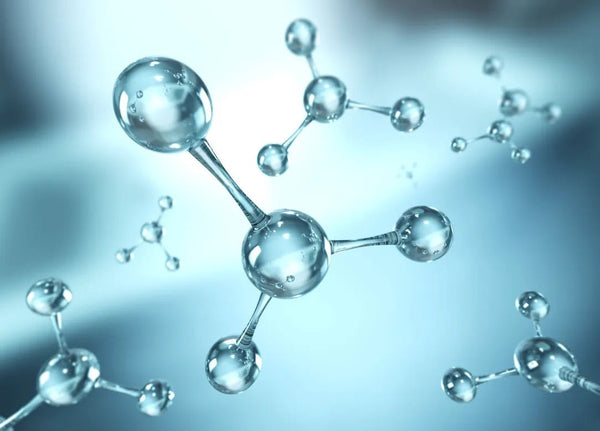
Adenosine is a purine nucleoside — a naturally occurring molecule that forms part of DNA, RNA, and ATP (adenosine triphosphate), the body’s primary energy currency. It is present in every living cell and plays a fundamental role in cellular signalling, energy metabolism, and immune regulation.
In skincare, adenosine is sourced through yeast fermentation — a clean, sustainable process that produces a consistent, high-purity white crystalline powder. It is used in leave-on cosmetic formulations at concentrations of 0.04–1%, most commonly in serums, eye creams, and anti-ageing moisturisers.
Adenosine skincare has become one of the most discussed categories in modern cosmetic science, particularly for its role in reducing the visible appearance of wrinkles without irritation. Unlike many trending ingredients, adenosine for wrinkles is supported by consistent clinical data rather than anecdotal claims. This is why adenosine is increasingly used in advanced anti-ageing formulations designed for long-term skin performance rather than short-term results.
What makes adenosine skincare unique is its regulatory status. The Korean Ministry of Food and Drug Safety (MFDS) maintains a list of ingredients permitted as functional cosmetics — a designation that requires demonstrated clinical efficacy for specific claims including wrinkle improvement. Adenosine is on that list. In global cosmetic science, this level of government-backed recognition is exceptionally rare.
This ingredient is not a trend. It is a molecule native to human biology that has been studied in dermatology for decades, backed by clinical trials, and recognised by a government body for proven efficacy. That is the standard most skincare ingredients never reach.
How Does Adenosine Work? The Mechanism Explained
How does adenosine work in skincare at a molecular level? The collagen production mechanism is well-characterised and involves receptor-mediated signalling across multiple skin layers.
In the dermis — the A2A receptor pathway
When applied to skin, it binds to A2A adenosine receptors on dermal fibroblasts — the cells responsible for producing collagen, elastin, and glycosaminoglycans in the dermis. This binding activates adenylyl cyclase, an enzyme that raises intracellular levels of cyclic AMP (cAMP). Elevated cAMP acts as a second messenger, triggering a cascade that:
- Stimulates new collagen synthesis in dermal fibroblasts
- Supports new DNA synthesis and protein production in skin cells
- Increases cell volume in dermal fibroblast cultures, contributing to a plumper skin matrix
- Suppresses enzymes that degrade existing collagen, helping protect the skin’s structural scaffold
How Does Adenosine Work? The Mechanism Explained
How does adenosine work in skincare at a molecular level? The collagen production mechanism is well-characterised and involves receptor-mediated signalling across multiple skin layers.
In the dermis — the A2A receptor pathway
When applied to skin, it binds to A2A adenosine receptors on dermal fibroblasts — the cells responsible for producing collagen, elastin, and glycosaminoglycans in the dermis. This binding activates adenylyl cyclase, an enzyme that raises intracellular levels of cyclic AMP (cAMP). Elevated cAMP acts as a second messenger, triggering a cascade that:
- Stimulates new collagen synthesis in dermal fibroblasts
- Supports new DNA synthesis and protein production in skin cells
- Increases cell volume in dermal fibroblast cultures, contributing to a plumper skin matrix
- Suppresses enzymes that degrade existing collagen, helping protect the skin’s structural scaffold
Understanding how adenosine works in skincare is key to evaluating its real-world effectiveness. Unlike surface-level ingredients that act primarily on the outer layers of the skin, adenosine interacts directly with skin cells through receptor-mediated pathways. This allows adenosine skincare formulations to support collagen production at a deeper, structural level, rather than relying on exfoliation or temporary hydration effects alone.
In the hypodermis — the A1 receptor pathway
Deeper in the skin, adenosine also binds to A1 receptors in the hypodermis — the subcutaneous fatty layer beneath the dermis. This A1 receptor activation supports lipogenesis and adipogenesis — the formation of fatty tissue — which contributes to the bio-restructuring of the skin’s deeper layers and supports overall skin volume and contour over time.
Anti-inflammatory action
This nucleoside also binds to receptors on immune cells including neutrophils and macrophages. This binding inhibits the release of pro-inflammatory cytokines and reactive oxygen species, contributing to a measurable reduction in skin redness and irritation. A 2024 paper in the International Journal of Molecular Sciences further characterised this pathway, showing adenosine promotes regulatory T cells through A2A signalling — providing a continuous, low-level anti-inflammatory signal relevant to daily environmental skin stress.
Cyclic AMP (cAMP) is one of the most important second messenger molecules in cell biology. When adenosine raises cAMP in fibroblasts, it essentially tells those cells to become more active — producing more collagen and structural proteins. This is the same downstream pathway targeted by some prescription dermatology treatments, which is why adenosine’s mechanism is taken seriously by cosmetic dermatologists.
Adenosine Benefits for Skin
Visible reduction in fine lines and wrinkles
● Strong EvidenceAdenosine for wrinkles — and specifically adenosine for reducing the appearance of wrinkles — is its most studied and most clinically evidenced benefit. Through this pathway, consistent use helps support a visibly smoother, firmer skin surface. Clinical trials show measurable improvement in the visible appearance of both expression lines and static wrinkles with regular use.
Collagen support and skin firmness
● Strong EvidenceAdenosine collagen production support is the central mechanism behind its anti-ageing benefits. The skin loses approximately 1% of its collagen per year from the mid-twenties onwards. UV exposure, free radicals, and environmental stress accelerate this loss. By activating the fibroblast pathway that produces new collagen, adenosine for fine lines and skin firming addresses the structural cause of visible ageing rather than masking it.
Skin soothing and anti-inflammatory support
● Strong EvidenceThe receptor-mediated anti-inflammatory activity is well documented. It helps support a reduction in the visible appearance of skin redness and irritation, and supports skin comfort after environmental stress or active ingredient use. This soothing property is one of the reasons it is particularly compatible with sensitive and reactive skin types.
Skin hydration
● Moderate EvidenceIt has been associated with improvements in skin hydration in multiple clinical studies — likely through its role in supporting the dermal matrix and glycosaminoglycan production. A well-structured dermal matrix retains moisture more effectively, contributing to a plumper, more comfortable skin surface over time.
Improved skin texture and tone
● Moderate EvidenceAs epidermal cell turnover slows with age — by 30 to 50% between the third and eighth decades — dead skin cells accumulate on the surface, contributing to dullness and uneven texture. By supporting dermal protein synthesis and new cell activity, adenosine helps contribute to a more refined, even skin surface with consistent use.
When evaluating adenosine benefits for skin, it is important to look beyond marketing claims and focus on mechanism-driven outcomes. Adenosine for fine lines and skin firming works by supporting the structural components of the skin, particularly collagen and extracellular matrix proteins. This makes it one of the few anti-ageing ingredients that addresses the underlying causes of visible ageing rather than masking them.
What Does the Clinical Evidence Say?
Adenosine clinical evidence is among the strongest available for any cosmetic anti-ageing ingredient. Here is an honest summary:
| Study | Design | Key Finding |
|---|---|---|
| Aschério et al., 2006 (Int J Cosmetic Science) | Blind, randomised, placebo-controlled; 126 female volunteers aged 45–65; 8 weeks twice-daily | Significant improvement in crow’s feet within 3 weeks; frown line improvement confirmed at 8 weeks. Assessed by FOITS 3D skin surface analysis. |
| Kang et al., 2018 (Int J Cosmetic Sciences) | Comparative study; adenosine dissolving microneedle patches vs adenosine cream | Both groups showed statistically significant improvement in skin wrinkling, dermal density, elasticity, and hydration. No adverse effects in either group. |
| Marucci et al., 2022 (BioFactors) | Comprehensive scientific review | Confirmed adenosine A2A receptor mechanism supports collagen production, supports new DNA synthesis in dermal cells, and may help reduce wrinkles, roughness, dryness, and laxity. |
| Park et al., 2024 (Int J Molecular Sciences) | Mechanistic study | Characterised adenosine A2A signalling pathway in skin immune regulation — supports anti-inflammatory activity relevant to daily environmental skin stress. |
| Ascher et al., 2012 (J Cosmetic and Laser Therapy) | Clinical combination study | Adenosine combined with retinol and hyaluronic acid optimised outcomes following botulinum toxin injection — demonstrating synergy with other anti-ageing actives. |
| CIR Expert Panel, 2024 | Safety review | Adenosine confirmed safe for cosmetic use at concentrations up to 1% in leave-on products. No irritation, no adverse effects at standard cosmetic concentrations. |
The clinical evidence for adenosine is the kind that most skincare ingredients never achieve — blind, randomised, placebo-controlled human trials with objective 3D skin measurement, replicated across multiple study types.
It is not experimental. It is not trending. It is one of the most well-supported anti-ageing ingredients in cosmetic science — which is exactly why the Korean government put it on their approved list.
How Adenosine Compares to Other Anti-Ageing Ingredients
Adenosine vs retinol is one of the most common comparisons. Here is how it stacks up against the most recognised anti-ageing actives:
| Ingredient | Primary Mechanism | Evidence Level | Sensitive Skin? | Photosensitivity? |
|---|---|---|---|---|
| Adenosine | A2A receptor → cAMP → collagen synthesis | Strong — RCT | Yes — excellent | None |
| Retinol | Retinoic acid receptor → gene expression → cell turnover | Strong — extensive | Caution — irritating | Yes — use PM only |
| Vitamin C | Antioxidant + collagen cofactor | Moderate | Variable | Mild in some forms |
| Peptides (signal) | Receptor signalling → fibroblast activity | Moderate — ingredient-dependent | Yes | None |
| PDRN (polynucleotides) | Growth factor receptor stimulation → tissue regeneration | Strong — clinical | Yes | None |
What stands out about adenosine is the combination of strong clinical evidence, excellent sensitive skin compatibility, and no photosensitivity risk. It can be used morning and evening without restricting other elements of your routine. For those who cannot tolerate retinol or prefer a gentler anti-ageing approach, adenosine is one of the most evidenced alternatives available.
It is also highly complementary to PDRN — the other key active in SkinReset™ — as both target collagen and extracellular matrix support through different but synergistic cellular pathways.
In discussions around adenosine vs retinol skincare, the key difference lies in tolerability and mechanism. While retinol works through cellular turnover and can cause irritation, adenosine skincare works through receptor signalling without disrupting the skin barrier. This makes adenosine a preferred option for individuals with sensitive skin or those seeking a more consistent, low-irritation anti-ageing approach.
How to Use Adenosine Correctly
No special technique is required. Consistency and correct layering are what produce results.
Apply to clean skin. A gentle, pH-balanced cleanser preserves the skin barrier and maximises active ingredient contact on the skin surface.
When adenosine is formulated in a serum — like SkinReset™ PDRN Serum — apply after cleansing to clean, dry skin. Adenosine is water-soluble and absorbs efficiently into the skin surface without requiring a specific application method.
Allow the serum to absorb for 1–2 minutes before layering. This gives adenosine adequate contact time with the skin surface before the next layer.
Follow with a moisturiser containing panthenol, hyaluronic acid, or ceramides. These complementary ingredients support barrier function and lock in moisture alongside adenosine’s structural activity in the dermis.
It does not increase photosensitivity and can be used morning and evening. However, UV exposure is one of the main causes of collagen degradation — the very problem adenosine addresses. Daily SPF protects the collagen adenosine helps build. Both are essential parts of the same anti-ageing strategy.
Both — morning and evening. The clinical study that demonstrated adenosine’s wrinkle-reducing effects used twice-daily application. This frequency is what the evidence is based on.
Evening use supports the skin’s natural overnight repair cycle when fibroblast activity peaks. Morning use provides anti-inflammatory support against daytime environmental stress.
What to Combine Adenosine With
It combines well with most skincare actives. Its gentle receptor-mediated mechanism does not conflict with other ingredient categories.
Strongest combinations
- PDRN (polynucleotides) — both support the dermal extracellular matrix through complementary pathways; adenosine via A2A/cAMP/collagen, PDRN via growth factor receptor stimulation and tissue repair; using both together provides layered dermal support
- Hyaluronic acid — adenosine addresses the structural dermis; hyaluronic acid supports surface and volumetric hydration; together they address both depth and surface
- Panthenol (Provitamin B5) — complementary barrier-support and soothing properties; helps skin tolerate and benefit from adenosine’s deeper activity
- Hydrolysed elastin — while adenosine supports collagen synthesis, hydrolysed elastin supports surface hydration and provides elastin peptides; together they address both collagen and elastin aspects of skin ageing
- Niacinamide — complementary anti-inflammatory and barrier-support; safe to use together daily; niacinamide addresses surface and tone while adenosine addresses dermal structure
- Retinol (with caution) — clinical evidence shows adenosine combined with retinol can optimise anti-ageing results; adenosine’s soothing properties help skin tolerate retinol’s potential for irritation
Supported by SPF always
This ingredient supports collagen synthesis. UV radiation degrades collagen. The two work against each other if SPF is not used. Daily SPF is the most direct complement to any collagen-supporting skincare routine.
Who Should Use Adenosine?
This ingredient is suitable for all skin types and all skin tones. Its receptor-mediated mechanism does not rely on irritation, exfoliation, or surface disruption — making it one of the most universally compatible anti-ageing actives available. It may be a particularly good fit if you:
- Are in your late twenties or older and want to support collagen production as natural decline begins
- Have visible fine lines, crow’s feet, or expression lines you want to help reduce the appearance of
- Have sensitive or reactive skin and want an evidence-backed anti-ageing ingredient without irritation risk
- Cannot tolerate retinol or want a gentler collagen-supporting alternative
- Want an ingredient with government-recognised clinical evidence rather than marketing claims
- Are using other actives and want something that complements rather than competes
Safety profile
It is reviewed and approved for cosmetic use by the CIR Expert Panel at concentrations up to 1%. The EWG rates it 1 — the safest category. Clinical studies confirm no adverse reactions at standard cosmetic concentrations. No significant contraindications are associated with topical use.
Based on the clinical evidence: visible improvements in the appearance of crow’s feet and expression lines may begin within 3 weeks of consistent twice-daily use. Results are confirmed and continued at 8 weeks.
For deeper structural improvements in skin firmness and dermal density, consistent use over 8 to 12 weeks produces the most meaningful results.
Frequently Asked Questions
- Marucci, G., et al. (2022). The possible role of the nucleoside adenosine in countering skin aging: A review. BioFactors, 49(1), 3–14.
- Aschério, A., et al. (2006). Evaluation of anti-wrinkle efficacy of adenosine-containing products using the FOITS technique. International Journal of Cosmetic Science, 28(6), 447–451.
- Kang, G., et al. (2018). Adenosine-loaded dissolving microneedle patches to improve skin wrinkles, dermal density, elasticity and hydration. International Journal of Cosmetic Sciences.
- Park, J.H., et al. (2024). Updated mechanistic characterisation of adenosine A2A signalling in skin immune regulation. International Journal of Molecular Sciences.
- Ascher, B., et al. (2012). A skincare containing retinol, adenosine and hyaluronic acid optimises the benefits from a type A botulinum toxin injection. Journal of Cosmetic and Laser Therapy, 14(5), 222–227.
- Cosmetic Ingredient Review Expert Panel (2024). Safety assessment of adenosine ingredients as used in cosmetics. International Journal of Toxicology (CIR dossier).
© 2025 Boldpurity · For educational purposes only · Not to be reproduced without permission.