

Key Research Findings
- Published research indicates turmeric's active, curcumin, has investigated antioxidant and soothing properties — but is poorly absorbed and poorly penetrates skin in raw form
- Published dermatology literature indicates neem has investigated antimicrobial and soothing properties, studied mostly in extracts rather than raw DIY paste
- Published research does not support the claim that turmeric "lightens" or changes skin colour; at most it may support the appearance of a more even-looking, radiant tone
- Published dermatology literature documents that DIY turmeric and neem can cause irritation, allergic contact reactions, and staining in some individuals
- Published research indicates irritation from harsh DIY remedies can trigger post-inflammatory hyperpigmentation, especially on deeper Indian skin tones
- Published literature indicates standardised, formulated extracts differ greatly from raw kitchen ingredients in concentration, purity, and stability
- Published commentary indicates "natural / traditional / home remedy" is not a guarantee of safety or efficacy — the ingredient still must be judged on evidence and formulation
- Published research emphasises individual response varies; heritage ingredients deserve evidence-based, not automatic, trust
In This Article
- Honouring the Heritage — Then Checking the Science
- Turmeric: What the Evidence Actually Supports
- Neem: What the Evidence Actually Supports
- The DIY "Kitchen Skincare" Risk
- Raw Ingredient vs Standardised Extract
- The "Turmeric Makes You Fair" Myth
- The Boldpurity Heritage-Meets-Evidence Framework
- How to Use These Ingredients Wisely
- Common Turmeric & Neem Myths
- Frequently Asked Questions
Honouring the Heritage — Then Checking the Science
Turmeric and neem are woven into Indian life — from haldi ceremonies to grandmothers' remedies — and that heritage is genuine and valuable. Published research indicates both plants contain bioactive compounds worth taking seriously. This article is not about dismissing tradition; it is about separating the parts the science supports from the myths that have grown around them, so these ingredients can be used well rather than blindly. This mirrors the balanced approach in our natural and organic marketing myth article.
Turmeric: What the Evidence Actually Supports
Published research indicates turmeric's most-studied active is curcumin, which has investigated antioxidant and soothing properties. Published dermatology literature, however, highlights two important limits: curcumin is poorly absorbed and poorly penetrates skin in raw form, and it stains skin and fabric a stubborn yellow. So the gap between "turmeric has active compounds" and "raw turmeric paste delivers them into your skin" is large.
Published Research on Curcumin's Limits
Published dermatology literature indicates that much of curcumin's promising data comes from laboratory or ingested-supplement studies, not from raw topical kitchen use. Published research notes that formulation science (stabilised, penetration-enhanced curcumin) is used specifically because raw curcumin performs poorly on its own. The tradition points at something real; the raw home version is the weakest way to access it.
For one condition-specific look at turmeric, see our article on turmeric for eczema.
03 —Neem: What the Evidence Actually Supports
Published research indicates neem (Azadirachta indica) contains compounds with investigated antimicrobial, antioxidant, and soothing properties, which is why it appears in traditional remedies for blemish-prone skin. Published dermatology literature notes that most supportive evidence involves neem extracts studied under controlled conditions — not raw crushed leaves or undiluted neem oil applied at home.
The DIY "Kitchen Skincare" Risk
Published research indicates that the biggest issue with traditional turmeric and neem is not the plants themselves but the raw DIY format. Published dermatology literature documents that home remedies — turmeric-and-lemon masks, undiluted neem oil, gram-flour scrubs — can cause irritation, allergic contact reactions, staining, and, when they include lemon or harsh scrubbing, photosensitivity and micro-damage.
Published Research on DIY Risks and Deeper Skin
Published dermatology literature indicates that irritation is not harmless on deeper Indian skin tones: it can trigger post-inflammatory hyperpigmentation (PIH) — the very dark marks many people are trying to fade. Published research indicates a harsh "brightening" DIY can therefore backfire, leaving more marks than it removes. A common culprit is added lemon; see why you should not put lemon on your skin.
Raw Ingredient vs Standardised Extract
Published dermatology literature draws a sharp line between a kitchen ingredient and a formulated cosmetic extract of the same plant:
| Consideration | Raw DIY (kitchen) | Standardised extract (formulated) |
|---|---|---|
| Concentration | Unknown, inconsistent batch to batch | Measured and consistent |
| Purity | Variable; possible contaminants | Controlled, tested |
| Penetration | Often poor (e.g. raw curcumin) | Formulated to improve delivery |
| Irritation/stain risk | Higher, unpredictable | Managed in formulation |
| Evidence relevance | Rarely how studies were done | Closer to studied conditions |
The "Turmeric Makes You Fair" Myth
Published research does not support the widespread claim that turmeric "lightens" or changes skin colour. Published dermatology literature indicates that at most, by supporting antioxidant activity and the appearance of an even, radiant complexion, turmeric may help skin look brighter and more even — which is different from changing your natural skin tone. Skin colour is set by melanin biology, not by a face mask.
The Boldpurity Heritage-Meets-Evidence Framework
Heritage ingredients deserve neither blind faith nor blanket rejection. We summarise a respectful, evidence-based approach as a simple named framework.
The Heritage-Meets-Evidence Framework
- Honour — take the tradition seriously; these plants contain real, studied compounds.
- Check — ask what the evidence supports for this ingredient, in what form.
- Choose the safer format — a standardised, formulated extract over an unpredictable raw DIY, especially on deeper skin.
This is an educational framework, not a prescriptive regimen or a judgement of any tradition. Individual response varies.
How to Use These Ingredients Wisely
Published dermatology literature commonly discusses the following for anyone who values turmeric and neem but wants to avoid the DIY pitfalls.
Commonly discussed principles
- Prefer formulated products that use standardised turmeric/neem extracts over raw kitchen paste.
- Avoid adding lemon or harsh scrubbing to DIY masks — a common cause of irritation and photosensitivity.
- Patch test any turmeric or neem product for a few days before facial use.
- Protect deeper skin from PIH — if a remedy irritates, stop; irritation can leave marks.
- Keep expectations realistic — even tone and radiance, not "fairness" or overnight acne cures.
- See a professional for significant acne or persistent pigmentation rather than relying on home remedies.
A commonly discussed approach; individual response varies, and persistent concerns warrant professional advice.
The Boldpurity Science Team's view
As an Indian brand, we love that turmeric and neem are part of so many people's earliest skincare memories — and we think that heritage deserves better than either blind faith or eye-rolling dismissal. In our view, the tradition was pointing at something real; it just didn't have the tools to deliver it safely. Raw turmeric on a curious grandmother's advice is very different from a standardised curcumin extract formulated to actually reach the skin without staining or irritating it. Our take: keep the reverence, drop the raw paste. The most respectful thing we can do with these ingredients is use the science to make them work the way tradition always hoped they would.
— An editorial opinion from the Boldpurity Science Team, offered for discussion. Individual response varies.
Common Turmeric & Neem Myths
Published research does not support turmeric lightening or changing skin colour, which is set by melanin biology. Published dermatology literature indicates it may at most support the appearance of an even, radiant complexion at your natural tone — not a lighter one.
Published dermatology literature documents irritation, allergic reactions, staining, and — when lemon or scrubbing is added — photosensitivity from DIY remedies. Published research indicates "natural/traditional" is not a guarantee of safety.
Published research indicates raw curcumin is poorly absorbed and poorly penetrates skin, and stains heavily. Published dermatology literature notes formulated, penetration-enhanced extracts exist precisely because the raw form performs poorly.
Published research indicates neem has investigated antimicrobial and soothing properties but is not shown to cure acne, let alone overnight. Published dermatology literature indicates significant acne is a medical matter needing appropriate treatment.
Published dermatology literature indicates harsh DIY remedies can trigger post-inflammatory hyperpigmentation on deeper skin — worsening marks. Published research indicates standardised, gentle, evidence-based formulations are commonly discussed instead.
Published dermatology literature documents allergic and irritant reactions to turmeric and neem in some individuals. Published research indicates patch testing is commonly discussed for any ingredient, traditional or modern.
Frequently Asked Questions
Explore Boldpurity
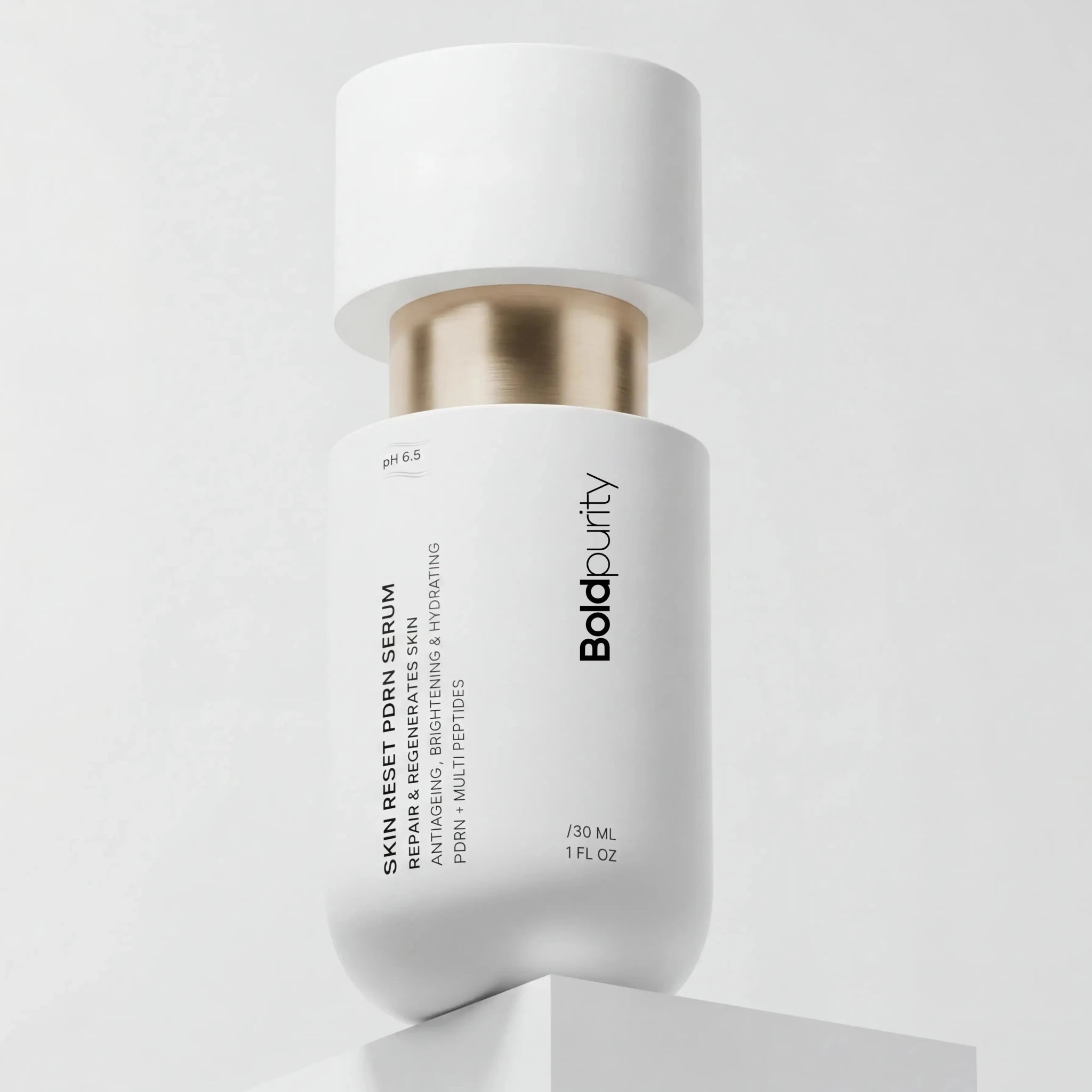
For the even-looking, radiant tone that turmeric traditions aim at — but with standardised, evidence-based actives (a brightening complex plus niacinamide) formulated for deeper Indian skin, without the staining or irritation of raw DIY. Supports the appearance of a more even, brighter-looking tone; no therapeutic claims.
Discover SkinReset™References
- Vaughn, A. R., Branum, A., & Sivamani, R. K. (2016). Effects of turmeric (Curcuma longa) on skin health: A systematic review. Phytotherapy Research, 30(8), 1243–1264.
- Anand, P., Kunnumakkara, A. B., Newman, R. A., & Aggarwal, B. B. (2007). Bioavailability of curcumin: Problems and promises. Molecular Pharmaceutics, 4(6), 807–818.
- Prasad, S., & Aggarwal, B. B. (2011). Turmeric, the golden spice. In Herbal Medicine: Biomolecular and Clinical Aspects (2nd ed.). CRC Press.
- Nagula, R. L., & Wairkar, S. (2019). Recent advances in topical delivery of curcumin. Journal of Controlled Release, 305, 176–193.
- Alzohairy, M. A. (2016). Therapeutic role of Azadirachta indica (Neem) and its active constituents. Evidence-Based Complementary and Alternative Medicine, 2016, 7382506.
- Gupta, S. C., Prasad, S., Tyagi, A. K., et al. (2017). Neem (Azadirachta indica): An Indian traditional panacea with modern molecular basis. Phytomedicine, 34, 14–20.
- Reuter, J., Merfort, I., & Schempp, C. M. (2010). Botanicals in dermatology: An evidence-based review. American Journal of Clinical Dermatology, 11(4), 247–267.
- Davis, E. C., & Callender, V. D. (2010). Postinflammatory hyperpigmentation: A review of the epidemiology, clinical features, and treatment options in skin of color. Journal of Clinical and Aesthetic Dermatology, 3(7), 20–31.
- Chaowattanapanit, S., Silpa-archa, N., Kohli, I., et al. (2017). Postinflammatory hyperpigmentation: A comprehensive overview. Journal of the American Academy of Dermatology, 77(4), 607–621.
- de Groot, A. C., & Schmidt, E. (2016). Essential oils, part IV: Contact allergy. Dermatitis, 27(4), 170–175.
- Hsu, S. (2005). Green tea and the skin. Journal of the American Academy of Dermatology, 52(6), 1049–1059.
- Antignac, E., Nohynek, G. J., Re, T., et al. (2011). Safety of botanical ingredients in personal care products/cosmetics. Food and Chemical Toxicology, 49(2), 324–341.
- Thng, S., et al. (2019). Cultural practices and skin of colour: Dermatological considerations. International Journal of Dermatology, 58(5), 530–538.
- Sarkar, R., Arora, P., & Garg, V. K. (2013). Cosmeceuticals for hyperpigmentation: What is available? Journal of Cutaneous and Aesthetic Surgery, 6(1), 4–11.
- Draelos, Z. D. (2015). Cosmeceuticals: What's real, what's not. Dermatologic Clinics, 33(4), 715–724.
- Mukherjee, P. K., Maity, N., Nema, N. K., & Sarkar, B. K. (2011). Bioactive compounds from natural resources against skin aging. Phytomedicine, 19(1), 64–73.
