

Key Research Findings
- Published research indicates high ambient humidity changes how skin loses and holds water, so a routine tuned for dry weather may not suit the monsoon
- Published dermatology literature notes that warm, damp, sweaty conditions can favour the microbes associated with certain breakouts, irritation, and fungal concerns
- Published research indicates humectants such as hyaluronic acid behave differently in humid air, which affects how hydration is best layered and sealed
- Published dermatology literature commonly discusses lighter textures and gentle cleansing during humid months, rather than stopping hydration altogether
- Published research indicates UV exposure continues through monsoon cloud cover, so daily sun protection remains commonly discussed year-round
- Published literature indicates over-washing or harsh products in an attempt to "control" monsoon oiliness may disrupt the barrier and worsen reactivity
- Published dermatology literature commonly discusses keeping skin dry-but-not-stripped, and changing out of damp clothing, to reduce monsoon skin discomfort
- Published research emphasises individual response varies with skin type, city, and exposure; persistent problems warrant professional advice
In This Article
- Why Monsoon Changes Your Skin (the Science)
- Humidity and the Skin Barrier
- Sweat, Warmth & the Microbe Factor
- Why Hydration Still Matters in Humid Air
- Dry Season vs Monsoon: What Actually Changes
- The Sun Protection Myth of the Rainy Season
- The Boldpurity Lighten-Cleanse-Seal Monsoon Framework
- A Commonly Discussed Monsoon Routine
- Common Monsoon Skincare Myths
- Frequently Asked Questions
Why Monsoon Changes Your Skin (the Science)
Published research indicates that skin is highly responsive to its environment, and few environments shift as sharply as the arrival of the Indian monsoon. Published dermatology literature describes how a jump in ambient humidity, frequent dampness, heat, and increased sweating all change the conditions at the skin surface — which is why a routine that felt right in summer or winter can suddenly feel wrong. This is the same principle covered in our article on skin types vs skin conditions: your skin's condition shifts with circumstances.
Humidity and the Skin Barrier
Published research indicates that ambient humidity directly influences transepidermal water loss (TEWL) — the rate at which skin loses water to the air. Published dermatology literature notes that in very humid conditions there is less of a moisture gradient pulling water out of the skin, so skin may feel less tight than in dry weather. However, published studies indicate this does not mean the skin barrier needs no support — humidity, sweat, and friction can still disrupt it.
Published Research on Humid-Weather Barrier Stress
Published dermatology literature indicates that although humid air reduces one kind of water loss, monsoon conditions introduce other stresses: prolonged dampness, sweat salts, occlusive clothing, and more frequent washing. Published research notes these can compromise the barrier in a different way than dry weather does. Learn the warning signs in our article on the signs of a damaged skin barrier.
Sweat, Warmth & the Microbe Factor
Published research indicates that warm, moist, sweaty conditions can favour the growth of certain skin microbes. Published dermatology literature notes that this is relevant to some monsoon-associated concerns — including certain breakouts, folliculitis-type bumps, and fungal issues that thrive in dampness. Published studies frame the practical implication as keeping skin clean and dry-but-not-stripped, and not letting sweat or damp clothing sit on skin for long periods.
For how breakouts get triggered generally, see our guide on what causes breakouts.
04 —Why Hydration Still Matters in Humid Air
Published research indicates a common monsoon mistake is assuming humid air means skin is hydrated and needs nothing. Published dermatology literature distinguishes between humidity in the air and water balance in the skin — they are not the same, and skin can still be dehydrated in a humid climate. Published studies indicate that humectants such as hyaluronic acid behave differently depending on humidity, which is why sealing still matters. This is explored in our hyaluronic acid myth article.
Dry Season vs Monsoon: What Actually Changes
Published dermatology literature commonly discusses adjusting — not overhauling — a routine between dry and humid seasons. Here is how the priorities shift:
| Consideration | Dry season | Monsoon / high humidity |
|---|---|---|
| Texture | Richer creams tolerated | Lighter, fast-absorbing layers commonly preferred |
| Hydration | Humectant + rich seal | Humectant + lighter seal; still sealed |
| Cleansing | Gentle, less frequent | Gentle, may be slightly more frequent for sweat — not harsh |
| Main risk | Dryness, tightness | Sweat, dampness, microbe-friendly warmth |
| Constant | Daily sun protection | Daily sun protection (UV persists in cloud) |
The Sun Protection Myth of the Rainy Season
Published research indicates that a persistent monsoon myth is that sun protection is unnecessary when it's cloudy and raining. Published dermatology literature notes that a meaningful portion of UV radiation penetrates cloud cover, so UV exposure continues during the monsoon. Published studies commonly discuss daily broad-spectrum sun protection year-round, regardless of season. For the fuller picture, see our article on SPF and sunscreen science for Indian skin and the guide on how much SPF to use.
The Boldpurity Lighten-Cleanse-Seal Monsoon Framework
Published dermatology literature commonly discusses a light-touch seasonal adjustment for humid months. We summarise it as a simple, named framework.
The Lighten–Cleanse–Seal Framework
- Lighten — swap heavy creams for lighter, fast-absorbing hydration that feels comfortable in humidity.
- Cleanse — cleanse gently to remove sweat, grime, and pollution, without harsh stripping that disrupts the barrier.
- Seal — still seal in hydration with a light moisturiser, and keep daily sun protection on.
This is an educational framework reflecting commonly discussed practice, not a prescriptive regimen. Individual response varies; persistent issues warrant professional advice.
A Commonly Discussed Monsoon Routine
Consistent with the framework, published dermatology literature commonly discusses the following adjustments during humid months. See also our guide on caring for combination or oily skin.
Commonly discussed monsoon adjustments
- Cleanse gently, morning and evening, and after heavy sweating — using a mild cleanser, not a harsh one.
- Switch to lighter textures — a fluid hydrating layer rather than a heavy occlusive cream.
- Still hydrate and seal — apply hydration to slightly damp skin and follow with a light moisturiser.
- Keep daily sun protection — a lightweight broad-spectrum formula, even on grey, rainy days.
- Change out of damp clothing promptly and pat sweat away rather than leaving it on skin.
- Don't over-exfoliate to "fight" oiliness — that can disrupt the barrier and backfire.
A commonly discussed approach; individual response varies, and suspected infections need a doctor.
The Boldpurity Science Team's view
In our view, the biggest monsoon mistake we see is people declaring war on their own skin — stripping it with strong cleansers and skipping moisturiser because it "feels oily," then wondering why it gets more reactive. Humidity is not the enemy; it's just a different set of conditions. The skin that copes best with the monsoon is usually the skin that's kept comfortable and barrier-supported, not the skin that's been scrubbed into submission. Lighter, gentler, and consistent beats harsh and reactive — every season, but especially this one.
— An editorial opinion from the Boldpurity Science Team, offered for discussion. Individual response varies.
Common Monsoon Skincare Myths
Published dermatology literature distinguishes air humidity from the skin's own water balance; skin can be dehydrated even in humid weather. Published research indicates lighter hydration is commonly discussed for the monsoon, not skipping it.
Published research indicates a meaningful portion of UV penetrates cloud cover, so exposure continues during monsoon. Published dermatology literature commonly discusses daily broad-spectrum sun protection year-round.
Published dermatology literature indicates over-washing and harsh cleansers can disrupt the barrier and increase reactivity. Published research commonly discusses gentle cleansing — including after sweating — rather than aggressive stripping.
Published dermatology literature indicates over-exfoliation can worsen barrier disruption and reactivity. Published research commonly discusses gentle, consistent care and keeping skin dry-but-not-stripped over aggressive resurfacing.
Published dermatology literature notes that warm, damp conditions can favour fungal and microbial issues that may need medical care. Published research indicates persistent, spreading, or painful rashes should be professionally assessed rather than assumed to be harmless.
Published research indicates the monsoon changes skin's needs rather than removing them. Published dermatology literature commonly discusses adjusting textures and emphasis while keeping the foundations — cleanse, hydrate, protect.
Frequently Asked Questions
Explore Boldpurity
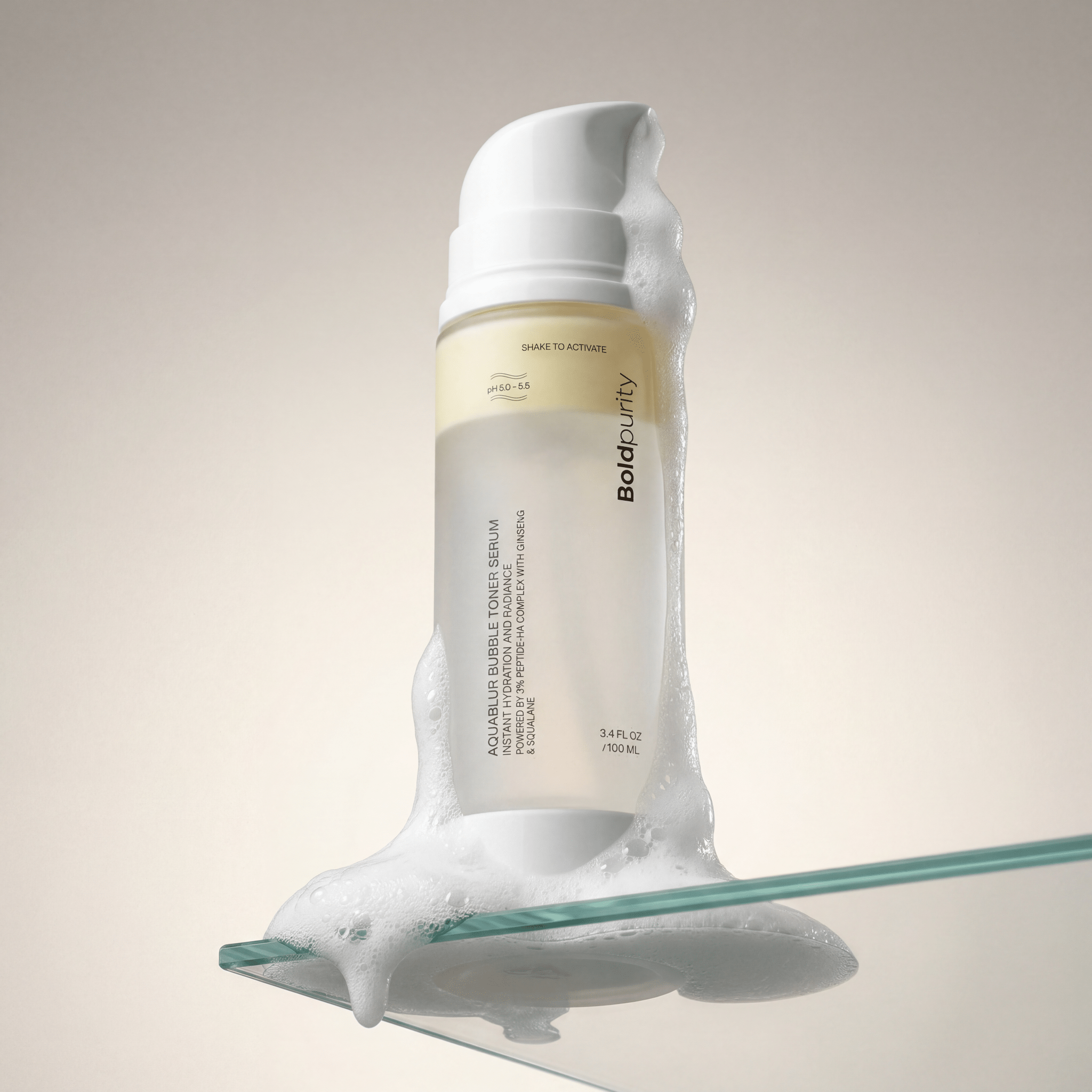
A lightweight, fast-absorbing toner-serum with multi-molecular hyaluronic acid, peptides, and squalane — a humidity-friendly way to hydrate and seal without a heavy, sticky feel. Formulated for Indian climates. Supports the appearance of hydrated, calm-looking skin; no therapeutic claims.
Discover AquaBlur™References
- Engebretsen, K. A., Johansen, J. D., Kezic, S., et al. (2016). The effect of environmental humidity and temperature on skin barrier function and dermatitis. Journal of the European Academy of Dermatology and Venereology, 30(2), 223–249.
- Rawlings, A. V., & Harding, C. R. (2004). Moisturization and skin barrier function. Dermatologic Therapy, 17(S1), 43–48.
- Verdier-Sévrain, S., & Bonté, F. (2007). Skin hydration: A review on its molecular mechanisms. Journal of Cosmetic Dermatology, 6(2), 75–82.
- Sunder, S. (2019). Relevant topical skin care products for prevention and treatment of aging skin. Facial Plastic Surgery Clinics, 27(3), 413–418.
- Parthasarathi, A., et al. (2017). Impact of climate and season on skin conditions in tropical regions. Indian Journal of Dermatology, Venereology and Leprology, 83(4), 411–419.
- Roberts, W. (2021). Air pollution and skin disorders. International Journal of Women's Dermatology, 7(1), 91–97.
- Sathishkumar, D., & Kumar, M. (2020). Seasonal variation of dermatoses in a tropical climate. Indian Dermatology Online Journal, 11(5), 762–767.
- Del Rosso, J. Q., & Levin, J. (2011). The clinical relevance of maintaining the functional integrity of the stratum corneum. Journal of Clinical and Aesthetic Dermatology, 4(9), 22–42.
- Byrd, A. L., Belkaid, Y., & Segre, J. A. (2018). The human skin microbiome. Nature Reviews Microbiology, 16(3), 143–155.
- Gupta, A. K., et al. (2015). Superficial fungal infections: An update. Clinics in Dermatology, 33(4), 388–398.
- Diffey, B. L. (2018). Sunscreens and UV exposure under cloud. Photodermatology, Photoimmunology & Photomedicine, 34(1), 78–80.
- Kaushik, M., et al. (2019). Sun protection behaviour and knowledge in a tropical population. Indian Journal of Dermatology, 64(3), 199–204.
- Purnamawati, S., Indrastuti, N., Danarti, R., & Saefudin, T. (2017). The role of moisturizers in addressing various kinds of dermatitis: A review. Clinical Medicine & Research, 15(3–4), 75–87.
- Fluhr, J. W., Darlenski, R., & Surber, C. (2008). Glycerol and the skin. British Journal of Dermatology, 159(1), 23–34.
- Draelos, Z. D. (2018). The science behind skin care: Moisturizers. Journal of Cosmetic Dermatology, 17(2), 138–144.
- Wolf, R., Wolf, D., Tüzün, B., & Tüzün, Y. (2001). Soaps, shampoos, and detergents. Clinics in Dermatology, 19(4), 393–397.
